
Table of Contents
Apple Is Finally Ending the Intel Mac Era
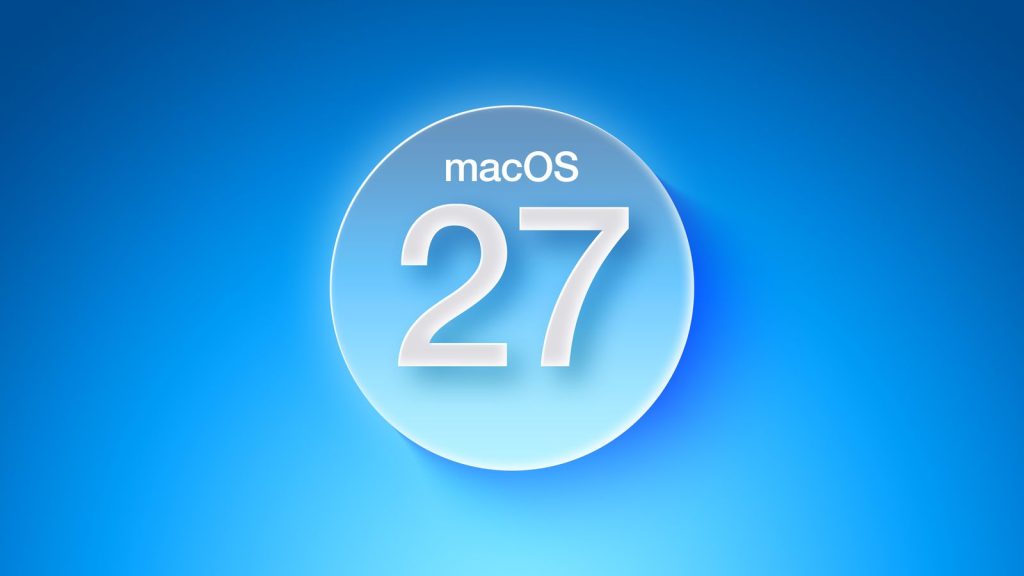
Apple is officially preparing to end support for Intel-based Macs with macOS 27, marking one of the biggest transitions in Mac history.
According to recent reports and Apple’s own developer announcements, macOS Tahoe 26 will be the final major macOS release that supports Intel-powered Macs. Starting with macOS 27, only Apple Silicon Macs powered by M-series chips will receive new macOS updates.
This means millions of older Intel Mac users may soon lose access to future macOS features and upgrades.
macOS 27 Will Only Support Apple Silicon Macs
Reports suggest macOS 27 compatibility will include only Macs powered by Apple Silicon chips such as:
- M1
- M2
- M3
- M4
- Future Apple Silicon processors
Expected compatible devices include:
- MacBook Air (M1 and newer)
- MacBook Pro (M1 and newer)
- iMac (M1 and newer)
- Mac mini (M1 and newer)
- Mac Studio models
- Mac Pro with Apple Silicon
- MacBook Neo models
Intel Macs will no longer receive major macOS upgrades after Tahoe 26.
Which Intel Macs Are Losing Support?
Several Intel Mac models still support macOS Tahoe 26, but they reportedly will not receive macOS 27.
Affected devices include:
- MacBook Pro 16-inch (2019)
- MacBook Pro 13-inch Intel (2020)
- iMac 27-inch Intel (2020)
- Mac Pro Intel (2019)
These devices are expected to continue receiving security updates for a limited period, but no major feature upgrades afterward.
Apple’s Transition to Apple Silicon Is Now Complete
Apple first introduced Apple Silicon in 2020 with the launch of the M1 chip.
The company promised at the time that Intel Macs would continue receiving support “for years,” and now, nearly six years later, Apple appears ready to complete the transition fully.
The shift to Apple Silicon helped Apple improve:
- Battery efficiency
- Performance
- Thermal management
- AI processing
- Software optimization
Apple now wants macOS development focused entirely on its own chip architecture.
Rosetta 2 Support Is Also Nearing Its End
Another major change involves Rosetta 2, Apple’s translation layer that allows Intel apps to run on Apple Silicon Macs.
Reports suggest:
- macOS 27 will be the final version with full Rosetta 2 support
- Future macOS releases may remove most Intel app compatibility
- Some legacy gaming support could remain temporarily
Apple has already started showing warning messages in macOS Tahoe 26.4 for apps that still depend heavily on Rosetta 2.
Why Apple Is Dropping Intel Macs
Apple’s main reasons reportedly include:
- Reducing legacy system support
- Optimizing macOS for Apple Silicon
- Improving AI and machine learning performance
- Simplifying software development
- Enhancing battery and thermal efficiency
Maintaining support for two completely different processor architectures has become increasingly difficult as Apple expands AI-powered features inside macOS.
Reddit Users Have Mixed Reactions
Discussions across Reddit show mixed reactions from Mac users.
Some users believe the move is overdue because Apple Silicon Macs significantly outperform older Intel models. Others feel powerful Intel Macs from 2019 and 2020 still have plenty of usable life left.
Several users also discussed moving older Intel Macs to Linux or ChromeOS Flex once macOS support ends.
Intel Macs Will Still Receive Security Updates
Although Intel Macs are losing major macOS upgrades, Apple is still expected to provide:
- Security patches
- Safari updates
- Critical fixes
for a few more years after macOS Tahoe launches. Reports suggest support may continue until around 2028 for some models.
macOS 27 Could Focus Heavily on AI Features
Leaks suggest macOS 27 may introduce:
- Smarter Siri AI
- Deeper Apple Intelligence integration
- Improved multitasking
- Better performance optimization
- New Liquid Glass refinements
- More advanced AI-assisted tools
Many of these features may require Apple Silicon hardware to function properly.
WWDC 2026 Will Likely Reveal the Full Details
Apple is expected to officially unveil macOS 27 during WWDC 2026.
The announcement could include:
- Final compatibility list
- New AI features
- Rosetta transition timeline
- Apple Intelligence upgrades
- New Mac software tools
Developer beta versions are expected shortly after the keynote event.
Why This Is a Historic Moment for Mac Users
The end of Intel Mac support officially closes one of the most important chapters in Apple’s modern history.
Intel Macs powered Apple computers for nearly two decades, but Apple Silicon has now become the company’s complete long-term strategy for Macs moving forward.
For users still using Intel hardware, macOS Tahoe 26 may become the final major software milestone before eventually upgrading to Apple Silicon systems.
FAQ: macOS 27 and Intel Mac Support
1. Will Intel Macs support macOS 27?
No. Reports suggest macOS 27 will only support Apple Silicon Macs.
2. What is the final macOS version for Intel Macs?
macOS Tahoe 26 is expected to be the final major macOS release for Intel-based Macs.
3. Will Intel Macs still get security updates?
Yes. Apple is expected to continue security updates for several more years.
4. What happens to Rosetta 2?
macOS 27 may become the last version with full Rosetta 2 support.
5. Why is Apple dropping Intel support?
Apple wants to fully optimize macOS for Apple Silicon performance, efficiency, and AI features.