
Table of Contents
Google’s Fitbit Air Finally Arrives
Google has officially introduced the new Fitbit Air, a lightweight screenless fitness tracker designed to compete with devices like Whoop and other minimalist wearables. Early hands-on impressions suggest the Fitbit Air focuses heavily on comfort, passive health tracking, and AI-powered wellness features.
The Fitbit Air starts at $99 and is positioned as one of Google’s most affordable health-focused wearables.
Fitbit Air Features a Tiny and Lightweight Design
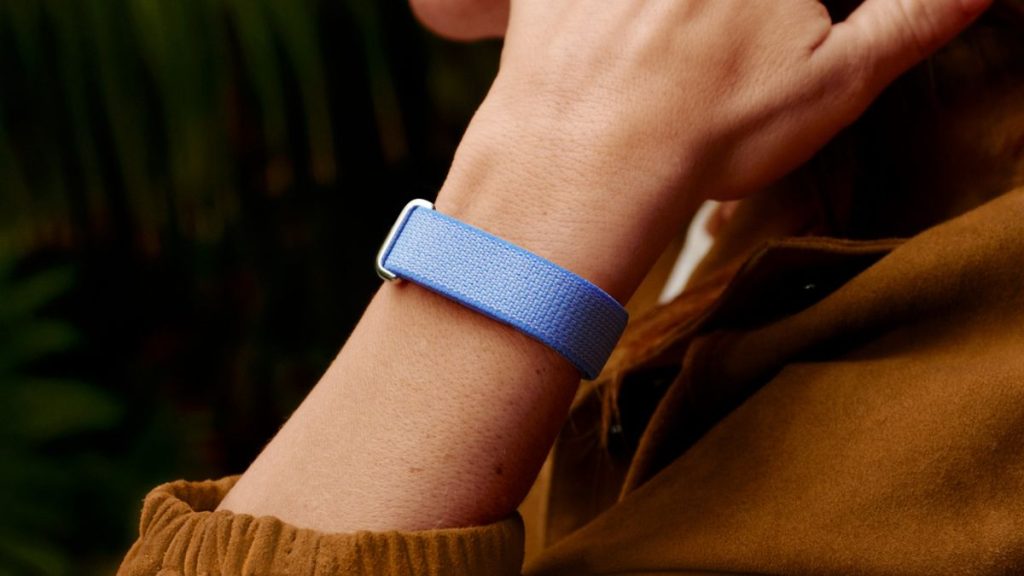
One of the biggest talking points surrounding the Fitbit Air is its extremely small and lightweight design.
According to early impressions, the device feels:
- Very lightweight on the wrist
- Comfortable during sleep
- Less distracting than smartwatches
- Easy to wear all day
The tracker uses a small removable “pebble” module placed inside interchangeable bands. Reports suggest the device weighs only around 12 grams with the band attached.
No Display, No Notifications, Pure Health Tracking
Unlike traditional smartwatches, the Fitbit Air does not include a display.
Instead, Google is focusing entirely on background health and fitness tracking. The wearable includes:
- 24/7 heart rate monitoring
- Sleep tracking
- SpO2 monitoring
- Heart rhythm alerts
- Activity detection
- Stress and recovery tracking
The screenless approach is designed to reduce distractions while improving battery life and comfort.
Battery Life Lasts Up to One Week
Google claims the Fitbit Air can deliver up to 7 days of battery life on a single charge.
The device also supports:
- Fast charging
- Low-power operation
- Automatic workout tracking
- Continuous background monitoring
The lack of a display helps the tracker achieve longer battery performance compared to many smartwatches.
Gemini AI Coach Already Raising Questions
One of the most interesting parts of the Fitbit Air ecosystem is the new AI-powered Google Health Coach built with Gemini AI.
The AI assistant can reportedly provide:
- Personalized workout suggestions
- Sleep recommendations
- Recovery insights
- Nutrition guidance
- Health summaries
However, some early users noted that the AI coach occasionally produces inaccurate or confusing recommendations during testing.
Fitbit Air Designed to Compete With Whoop
Google is clearly targeting the growing market for minimalist fitness wearables.
The Fitbit Air directly competes with products like:
- Whoop
- Oura Ring
- Garmin health trackers
Unlike Whoop, Google is offering the Fitbit Air without requiring an expensive mandatory subscription. Users can still access advanced AI features through an optional Google Health Premium plan.
Google Health Replacing the Old Fitbit Experience
The Fitbit Air also marks the beginning of Google’s transition from the classic Fitbit app toward the new Google Health platform.
The updated system introduces:
- AI-powered wellness tools
- Unified health tracking
- Cross-device syncing
- New recovery metrics
- Personalized health insights
However, some longtime Fitbit users are unhappy about the removal of older community and gamification features.
Final Thoughts
The Fitbit Air appears to be Google’s biggest shift in wearable strategy since acquiring Fitbit. Instead of competing directly with feature-packed smartwatches, Google is now focusing on lightweight, distraction-free health tracking powered by AI.
Early impressions suggest the Fitbit Air succeeds in comfort and simplicity, though Google’s AI health coaching features may still need refinement before becoming fully reliable.