
Table of Contents
Google Sets Clear Hardware Requirements for Gemini Intelligence
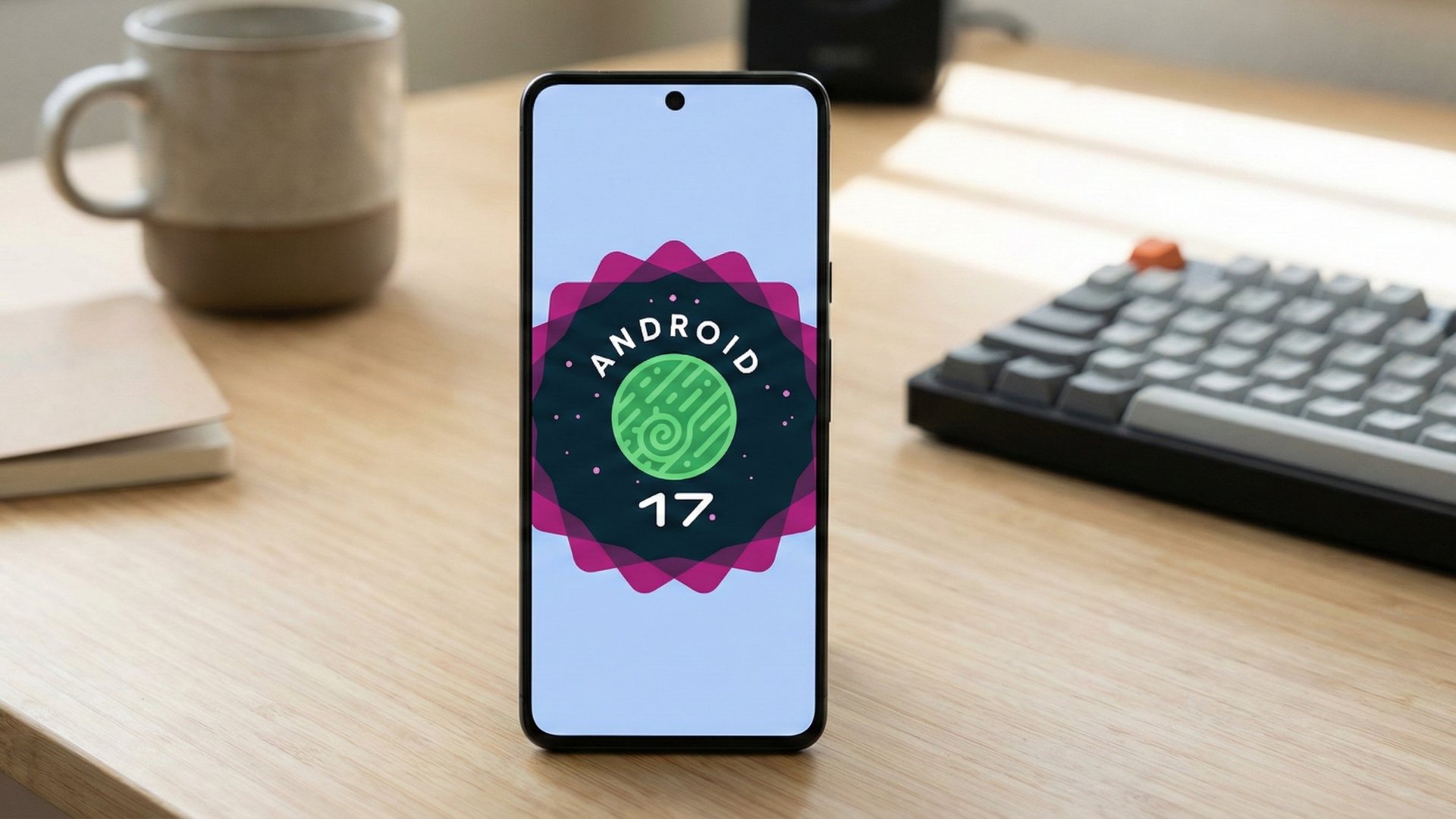
Google is preparing to roll out Gemini Intelligence as a core part of Android 17, but not every device will be able to run all features.
According to recent details, Gemini Intelligence will require modern hardware and updated software to function properly, especially for AI-heavy tasks like automation, widget generation, and voice processing.
This means older or low-end Android devices may not get the full experience.
Minimum Requirements for Gemini Intelligence Features
Reports suggest Google is setting baseline requirements for devices that want to support Gemini Intelligence features:
- Android 12 or newer
- At least 4GB RAM (higher recommended for full AI features)
- Stable internet connection for cloud AI tasks
- Updated Google Play Services
- Region and language support (initially limited in some countries)
These requirements ensure that AI features run smoothly without slowing down the device.
On-Device AI vs Cloud AI Processing
Google is also splitting Gemini Intelligence tasks into two categories:
On-device AI (Gemini Nano)
- Fast responses
- Basic summarization
- Simple suggestions
- Works offline in limited cases
- Lower hardware demand
Cloud AI (Gemini Pro/Flash)
- Advanced reasoning
- Multi-step automation across apps
- Complex widget creation
- Web-based tasks and summaries
- Requires stronger internet connection
This hybrid system helps balance performance and battery usage across different devices.
Which Devices Are Expected to Get Full Support
While Google has not published an official device list, early reports suggest full Gemini Intelligence support will likely be limited to:
- Recent Pixel devices
- Selected Samsung flagship models
- Newer high-end Android phones from major brands
Mid-range and older devices may still get partial features, but not full automation tools.
Why Google Is Limiting Requirements
Google appears to be restricting access based on performance needs and AI processing demands.
Main reasons include:
- Preventing lag on weaker devices
- Ensuring stable AI performance
- Reducing battery drain
- Protecting user data processing speed
- Keeping advanced features consistent across devices
Gemini Intelligence is designed to handle complex tasks across apps, so it needs strong system resources to work properly.
What Users Will Notice in Real Use
If a device meets the requirements, users will experience:
- Faster voice commands
- Smart automation across apps
- Custom widget creation using text input
- Smarter typing and dictation tools
- More personalized suggestions
- Better app-to-app integration
On unsupported devices, many of these features may be limited or unavailable.
Android 17 and Gemini Becomes More AI-Centric
With Gemini Intelligence, Android 17 is moving beyond a traditional operating system and becoming more of an AI-driven platform.
Instead of manually switching apps, users will increasingly rely on AI to complete tasks like booking, searching, and organizing information.
What This Means for Android Users
Android 17 will deliver its best experience on newer devices, especially those built with AI performance in mind.
For users with older phones, basic Android updates may still arrive, but advanced Gemini features will likely remain restricted.
Android Is Moving Toward a More Intelligent System
Google’s direction is clear: Android is becoming more AI-focused, and Gemini Intelligence is at the center of that change.
As a result, hardware requirements are becoming more important than ever for unlocking the full Android experience.